
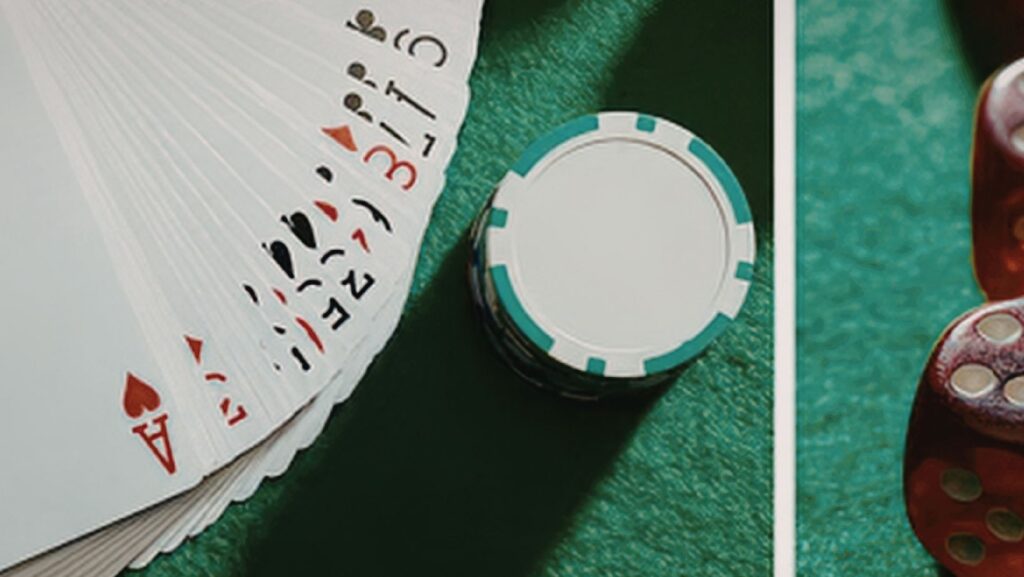
Live casino games were built to feel social. Dealers speak. Cards are real. Chat features entered this space as a natural step. They promised a connection. Players could talk to dealers and to each other. The casino floor moved onto the screen. But with that came a question. Does chat add fun, or does it pull focus away from play?
Why Chat Feels Exciting at First
Chat creates instant energy. A quiet table feels alive when messages appear. Players joke. They react to wins. They complain about bad luck. This shared emotion feels real. It mimics the buzz of a physical casino. For new players, this can lower tension. Silence feels risky. Conversation feels safe.
Social Proof and Comfort
Seeing others play can be reassuring. Chat confirms that you are not alone. Someone else lost, too. Someone else won just before you. This shared experience reduces stress. It can make risk feel smaller. The game stays the same. The feeling changes. That alone explains why chat became popular when playing slotsgem casino games with live dealers.
The Dealer as a Social Anchor
Dealers often use chat as part of the show. They greet players by name. They respond to jokes. They thank players for tips. This turns gameplay into performance. The dealer becomes a host. Rendering and video matter here, but chat completes the loop. Without chat, the dealer talks into silence. With chat, the room responds.
When Chat Starts to Distract
Focus is fragile in gambling. Chat can break it. Messages appear during decision moments. Side bets get missed. Timers run out. Some players read more than they play. Attention splits. The result is not better decisions. It is rushed ones. Entertainment can quietly become interference.
Emotional Contagion at the Table
Chat spreads emotion fast. A winning streak creates hype. A losing streak creates panic. One angry player can shift the mood. This affects behavior. Players chase losses after reading complaints. Others raise bets after seeing wins. Chat does not change odds. It changes perception. That shift matters.
Strategy Talk and Misinformation
Players love to give advice. In chat, tips fly freely. Some are harmless. Many are wrong. Patterns are invented. Dealers are accused of bias. New players absorb this noise. They trust confidence, not accuracy. Chat becomes a rumor mill. This can damage decision quality without players noticing.
The Speed Problem
Live casino games move quickly. Blackjack hands flow. Roulette spins repeat. Chat does not slow down for thinking. Reading messages while acting creates pressure. Some players react late. Others follow the crowd. Speed plus chat reduces reflection. It favors impulse over logic.
Personalities Take Over
Certain players dominate chat. They talk constantly. They narrate every outcome. This shapes the table mood. Quiet players adjust without speaking. Loud voices lead behavior. This mirrors real casinos. Online, it is amplified. Text stays visible longer than sound. Influence lingers.
Moderation and Control Tools
Platforms try to manage this. Filters block abuse. Slow mode limits spam. Some tables mute chat entirely. These tools matter. Without them, chat becomes chaos. With them, it can feel curated. The design choice reflects intent. Is the game about focus or about spectacle?
Player Control Changes the Experience
Mute buttons are powerful. So are chat size options. When players control visibility, chat becomes optional.
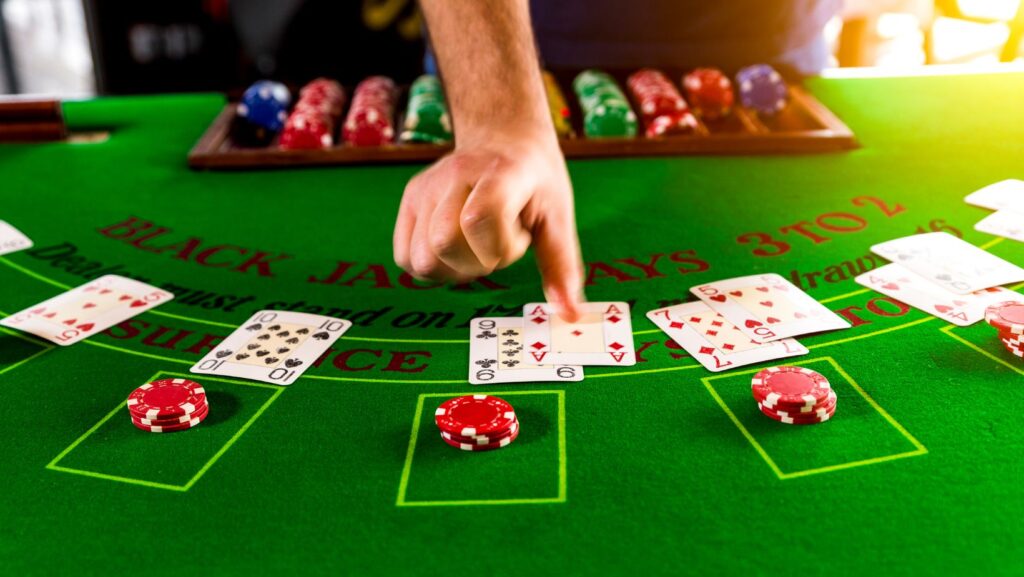
This respects different styles. Social players keep it on. Analytical players turn it off. The best platforms support both. Forced chat often backfires.
Entertainment Value Is Real
Chat can be fun. That should not be denied. Celebrating wins together feels good. Laughing at bad luck helps. For casual players, this is the point. They are not optimizing. They are escaping. Chat fits that goal. Entertainment does not require precision.
Distraction Depends on Intent
Whether chat is a problem depends on why someone plays. Strategic players seek control. Chat interrupts that. Social players seek connection. Chat delivers it. The same feature serves opposite needs. Conflict arises when one table serves all types equally.
Design Choices Reveal Priorities
Some casinos highlight chat. Others hide it. Font size, placement, and sound alerts matter. These choices guide attention. A flashing chat box pulls eyes away from odds. A subtle panel invites optional use. Design reveals whether the platform values engagement time or decision quality.
The Psychological Cost of Constant Noise
Even silent reading has an impact. The brain processes every message. Cognitive load increases. Decisions feel heavier. This can lead to fatigue. Fatigue leads to riskier choices. Chat does not need to be loud to be influential. Presence alone changes behavior.
Live Casinos Are Still Experiments
This format is young. Studios are still testing balance. Some will refine chat. Others will gamify it. Emotes, reactions, and badges are already common. These features increase interaction. They also increase distraction. The line is thin.