
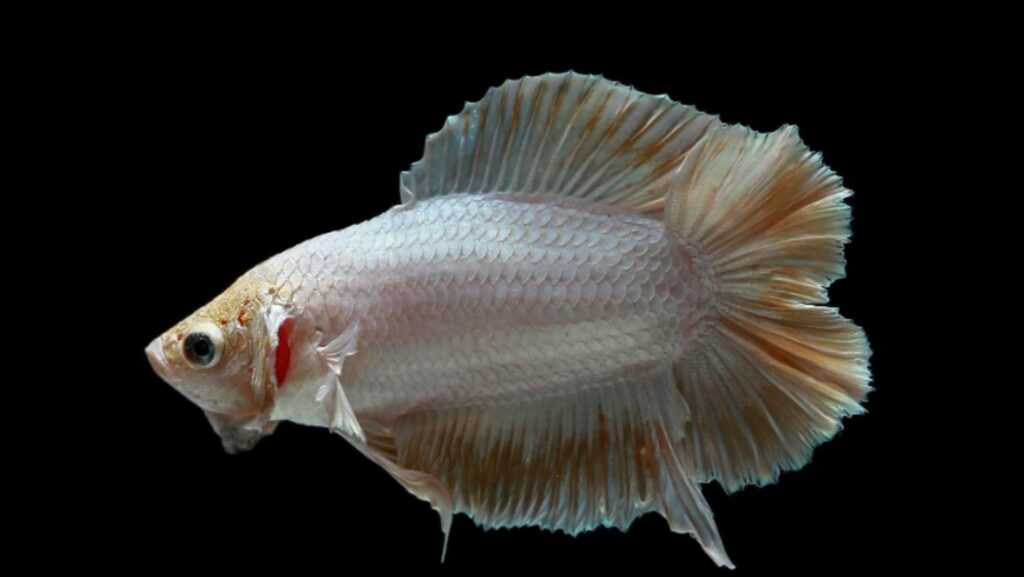
🐠 Dive into the underwater world with Dumbo Elephant Ear Betta! Explore the beauty and rarity of this alluring aquarium fish 🐟🌊
Dumbo Elephant Ear Betta
The Dumbo Elephant Ear Betta is one of the most eye-catching and unique freshwater fish available to aquarium hobbyists today. This stunning betta variety is easily recognized by its oversized pectoral fins, which resemble the ears of a baby elephant—hence the name “Dumbo.” These flowing fins give the fish a graceful, floating appearance as it moves through the water.
Native to Southeast Asia, this special betta thrives in warm, calm freshwater environments. Over the years, selective breeding has enhanced its colors, fin shapes, and overall appearance, making it one of the most visually appealing betta types available. Whether you are a beginner or an experienced aquarist, the Dumbo betta offers both beauty and personality in one elegant fish.
Why Dumbo Elephant Ear Bettas Are Popular Among Aquarium Enthusiasts
The popularity of the Dumbo Elephant Ear Betta continues to grow for several good reasons. Their dramatic fin shape instantly makes them stand out in any tank. Unlike standard bettas, their side fins are wide, rounded, and constantly moving, giving them a soft and graceful swimming style. They also come in a wide range of colors, including red, blue, white, lavender, marble, and multi-color patterns. This makes each fish feel unique and special. Bettas are also relatively easy to care for compared to many other ornamental fish, which makes them an excellent choice for both beginners and experienced fish keepers.
The Dumbo Elephant Ear Betta belongs to the species Betta splendens. What sets this variety apart from regular bettas is its unusually large pectoral fins. These fins are positioned on the sides of the body just behind the head and move constantly as the fish swims. Dumbo bettas have a slightly stocky body with long, flowing tail fins that may come in various shapes, including halfmoon, rosetail, or veil tail. Their eyes are bright and alert, and their movements are slow, calm, and elegant. While they look delicate, they are actually quite hardy when properly cared for.
Unique Traits and Special Features
The most noticeable feature of the Dumbo betta is its elephant ear fins. These fins are much larger than those of standard bettas and often appear lighter in color than the rest of the body. In many cases, the body may be dark blue or red, while the ear fins remain pale white or soft pastel shades. Another special trait is their calm swimming style. They move as if they are floating rather than darting quickly through the water. Their gentle movements make them relaxing to watch and ideal for peaceful aquarium setups.
Origin, Habitat, and Natural Environment
Dumbo bettas originate from Southeast Asia, particularly in countries such as Thailand, Cambodia, and Vietnam. In the wild, their ancestors live in slow-moving water such as rice paddies, shallow streams, and ponds. These environments are warm, shallow, and often filled with plants, which provide shelter and breeding areas. Today’s Dumbo bettas are mostly captive-bred. This controlled breeding allows for better colors, stronger health, and more predictable characteristics.
Scientific Classification and Variations
The Dumbo Elephant Ear Betta falls under the Betta genus and the species Betta splendens. It belongs to the Osphronemidae family and the Anabantiformes order. There are many variations within this type, including Halfmoon Dumbo, Plakat Dumbo, and Rosetail Dumbo. Each variation affects the shape of the tail and fins while keeping the signature elephant ear feature.
Distinctive Body Structure
The body of the Dumbo betta is similar in shape to other betta fish. It is compact, slightly curved, and muscular. What truly transforms its appearance are the oversized pectoral fins that give the illusion that the fish is gliding rather than swimming. The tail fin can vary in size and shape depending on the strain, but it is usually long, flowing, and dramatic. Combined with the wide ear fins, the overall look is graceful and eye-catching.
Color Variants and Stunning Patterns
Dumbo bettas come in nearly every color imaginable. Popular shades include solid white, sky blue, deep red, lavender, black, and marble patterns. Some have metallic or iridescent scales that shimmer under aquarium lighting. Marble-pattern Dumbo bettas are especially attractive because their colors may change slightly over time, making them appear different as they mature.
The Elephant-Like Ears (Pectoral Fins)
The pectoral fins are the defining feature of this betta. These fins help with balance, gentle movement, and directional control. When the fish swims, these fins flutter constantly, giving the appearance of wings or floating fabric.
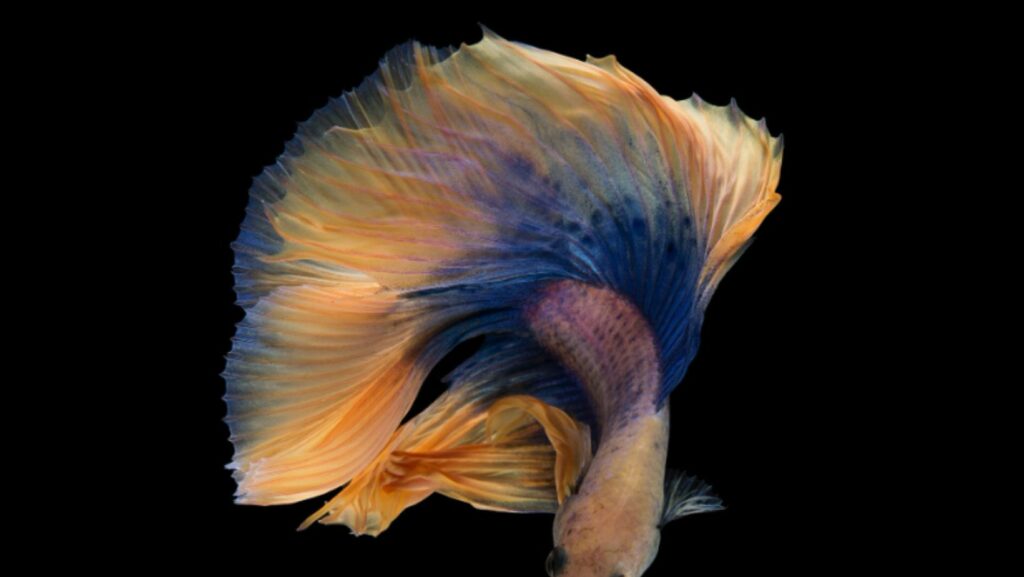
They also play a role in visual display, especially when the fish feels threatened or is trying to show dominance or interest during breeding.
Typical Behavior
Like other bettas, Dumbo bettas are curious, intelligent, and aware of their surroundings. They often recognize their owners and may swim toward the tank glass during feeding time. They enjoy exploring plants, caves, and decorations inside the aquarium. They are generally calm and slow swimmers, making them relaxing to observe.
Social Interaction With Other Fish
Dumbo bettas are best kept alone or with very peaceful tank mates such as snails, shrimp, or small non-aggressive fish. They should never be housed with other male bettas because they are territorial and may fight. With the right companions, they can live peacefully in a community tank without stressing other fish.
Territorial Nature
Male bettas, including Dumbo varieties, are naturally territorial. They may flare their fins when they feel threatened or when they see their reflection. This behavior is normal and is part of their natural defense instinct. As long as they are not constantly stressed, this behavior is healthy and should not be discouraged.
Basic Care Requirements
Dumbo bettas are relatively easy to care for when their basic needs are met. They require a clean, warm tank with gentle filtration. A minimum tank size of five gallons is recommended to provide enough swimming space and stable water conditions. Smaller containers often lead to poor water quality and unnecessary stress.